Making content smarter, not just louder.
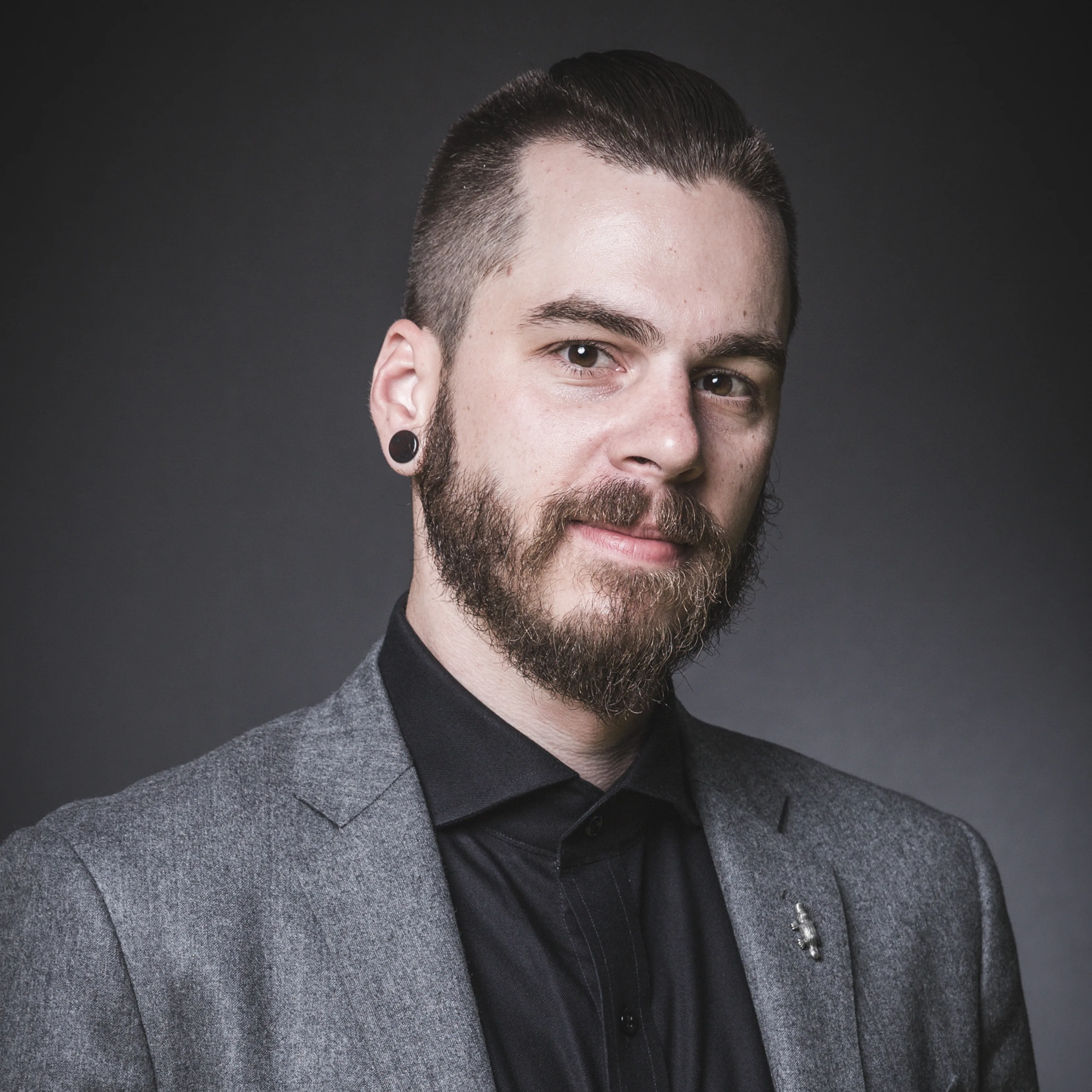
I'm Joey Marburger, VP of Content Intelligence at Arc XP, The Washington Post's award-winning digital media platform, where I lead AI strategy and engineering. I build the tools and workflows that help publishers keep their footing as content, data, and AI collide — practical intelligence that helps newsrooms move faster without losing what makes them worth trusting.
I've spent most of my career turning print institutions into digital-first ones. Over more than a decade at The Washington Post I rose from Mobile Design Director to lead all of digital product design and engineering, helping grow readership from 22 million to 90 million and digital subscribers from 100,000 to 2.6 million. The Columbia Journalism Review called the Post's digital growth a "revolution," Fast Company named me one of its Most Creative People in Business (#13 in 2017), and Digiday dubbed me the Post's "punk rock star" for my relentless push to reinvent how journalism reaches people.
My path there started at the intersection of storytelling and technology. After earning my BA in Digital Communication at Purdue University, I cut my teeth as Features Editor at the Purdue Exponent and Online Editor at The Indianapolis Star, then moved into design and development — including a stint at Gannett as a web developer and designer — before joining the Post in 2010 to build apps, web platforms, distributed-news systems, and new editorial tools.
Since 2020 I've been focused on Arc XP and the frontier of AI in digital media. I build practical intelligence tools — metadata, vector-based retrieval, personalization, and automated workflows — that help publishers scale editorial operations without sacrificing journalistic integrity. I'm a vocal advocate for a thoughtful approach to AI in the newsroom: the technology should augment reporters, not replace them. I bring that perspective to stages across the industry, from the International Symposium on Online Journalism to the NAB Show, the AWS Publishing Symposium, and the World News Media Congress, and to contributions at Digital Content Next.
Outside of work I remain a maker at heart, energized by where design, data, and product thinking converge to help editors, creators, and technologists work smarter. I live in Washington, D.C. with my wife and our Bernedoodle, Albert.
What I believe
- Clarity matters: Every product should trace back to a simple question: who is this for, and what change are we making for them?
- Intelligence wins: Data isn't optional. The teams that measure behavior and feed it back into their products turn content into a compounding asset.
- Augment, don't replace: AI should make people better at their craft, not stand in for it — with a human in the loop on the decisions that matter.
- Process frees creativity: Rigor in planning — clear scope, objectives, and guardrails — doesn't stifle creativity. It frees it by removing chaos.
- Continuous improvement: Shipping isn't the finish line. It's the start of the learning loop.
What I do
- Set AI strategy: Define where AI creates real leverage across a global content platform, and turn that into a roadmap teams can actually ship.
- Build and lead engineering teams: Grow multidisciplinary product and engineering orgs that turn ambiguous problems into shipped systems.
- Ship generative AI in production: Take LLMs, retrieval, and personalization from prototype to reliable, cost-aware production at scale.
- Own responsible-AI practice: Put guardrails, evaluation, and human-in-the-loop review around AI so it earns trust instead of eroding it.
- Develop leaders: Build capability, mindset, and ownership so teams outlast any single initiative — or any single leader.